Books Archive - Page 4 of 12 - Retirement Wisdom

Have you listened to our Podcast yet? Start listening today to maximize your retirement years! CLICK HERE

CLICK HERE to hear our podcast!


By Marissa G. Franco, PhD

People get that social connectivity is essential for health and longevity. But one question I often get from clients isn’t about the “What”, it’s about the “How.” If they’re leaving their job and the relationships at work they’ve built up over the years, or if they’re moving to a new community, how do they create new friendships? For some, this is an easy question, but for many people, especially some men, it’s quite challenging.

In Platonic: How the Science of Attachment Can Help You Make—and Keep—Friends, a New York Times Bestseller, Dr. Marissa Franco brings some research-based ideas and useful action steps. The book  offers insights into the dynamics of friendship through the lens of attachment theory. With a blend of scientific research, personal anecdotes, and practical advice,  she presents a compelling case for the transformative power of understanding how friendship works – and how that can help you cultivate and maintain meaningful relationships as an adult.

The book begins by laying the groundwork of attachment theory. Franco translates this theory into the world of adult friendships, pointing out that our early attachment experiences continue to shape our interpersonal dynamics throughout our lives. By understanding our attachment style—whether it’s secure, anxious, or avoidant—we can gain insight into our patterns of behavior and communication in friendships that can help us in building new ones.

Through stories and examples that you can easily relate to, Franco shows how attachment styles show up in various aspects of friendship, from the initial stages of forming connections to how we navigate conflicts and maintain connection over time. She breaks down the challenges and rewards of each attachment style, offering strategies for overcoming common mistakes and tips for creating healthier, more fulfilling relationships.

One of the book’s strongest points is on how much vulnerability and authenticity matter in friendships. Marissa Franco argues that genuine connections are built on a foundation of trust and emotional openness. They help to share their true selves and feel seen and valued by others. She offers practical tips on how to get comfortable being more vulnerable in friendships and how to become more accepting of others. In addition, she urges people to set healthy boundaries and prioritize self-care in friendships, and how to navigate or disengage from toxic, draining relationships.

This book is a valuable resource for people who are looking to find or create a new tribe in retirement. It will also help you to become an even better friend.

_________________

Listen to my podcast conversation with Dr. Marissa Franco here

Buy the book here

You may also be interested in my podcast conversation with science journalist David Robson on his book The Laws of Connection: The Scientific Secrets of Building a Strong Social Network

__________________

Check out all our guests on The Retirement Wisdom Podcast

Explore our other recommended Best Books on Retirement 
 

by Mark S. Walton

Will a traditional retirement be heaven, or something else, for you? An increasing number of people are rejecting it and choosing alternative ways of living in retirement. Some people create a new portfolio life with a variety of pursuits and activities. Some people opt to work longer and gradually retire through phased retirement. And an increasing number of people are returning to work after discovering that retirement isn’t for them.

In his insightful book Unretired: How Highly Effective People Live Happily Ever After, Mark S. Walton explores the emerging phenomenon of unretirement, where old beliefs about retirement are being challenged and rejected in favor of a more dynamic and engaged post-career life. Walton, a seasoned journalist and Peabody Award winner, who’s knowledgeable in aging and workforce trends, investigates what’s driving this shift and explores the broader implications for older adults and society.

New Pathways

Increased life expectancies, financial uncertainties and a desire for lifelong learning and personal growth are driving many retirees to stay active. The old vision of retirement as a period of withdrawal, rest and leisure is being replaced. Walton’s vision of unretirement offers an alternative that can provide continued growth, contribution and fulfillment through a more active, energetic and flexible approach to later life than traditional retirement.

Beyond financial concerns, Walton emphasizes the importance of purpose and how retiring can bring losses of identity, structure, and community. A key point of the book is that many retirees find a sudden and total withdrawal from professional life jarring and disorienting. But there are alternatives to the traditional full-stop retirement and multiple pathways to create roles that help you stay mentally sharp and socially connected. Walton profiles some people who are choosing instead to continue work in their fields (The Rebels), some who are crafting new encore careers or pursuing entrepreneurship (The Reinventors), and some who are discovering artistic pursuits (The Creatives), including people who discovered or rediscovered those abilities later in life.

My favorite insight comes from Walton’s comments throughout the book about the role that fascination plays in reinvention. While many graduation speeches encourage young people to follow their passion (which many, like me, consider dubious advice), following what fascinates you makes sense if you’re looking to chart a new course with fulfillment high on your list of priorities.  Follow your curiosity is sound advice in my book.

Overcoming Challenges

Despite its many positives, unretirement is not without challenges. Walton candidly discusses issues such as age discrimination, health issues, and the challenges that can come with resuming  balancing working and your personal life.

Unretired details real-life stories of  people have successfully transitioned into a new path, with examples including a former executive starting a non-profit, a retired teacher tutoring part-time, and a seasoned professional turning a hobby into a business. It paints a diverse and optimistic portrait of life beyond retirement that encourages you to examine and test your assumptions about aging and work. Walton’s research, practical advice, and stories makes this book a valuable resource for anyone considering what their next chapter might look like. It can reframe how you think about the years ahead and inspire you to find not only a new or renewed sense of purpose, but greater joy along the way.

___

Listen to my conversation with Mark Walton

Read Unretired: How Highly Effective People Live Happily Ever After

Explore more Best Books for Retirement


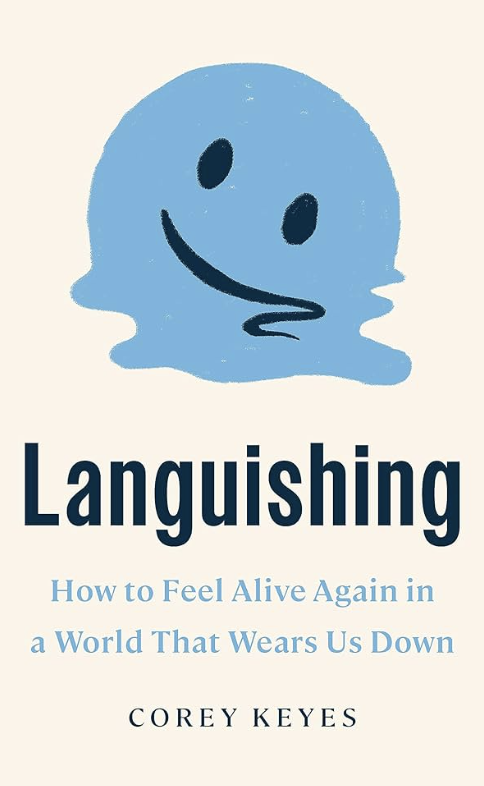
by Corey Keyes

What will your life really be like when you retire? It’s a big transition and it often kicks off with a honeymoon period where people experience a delightful sense of freedom from the working life they’ve lived for decades. But all honeymoons come to an end. Then what? Some people who haven’t prepared well for the non-financial side of retirement share that they feel adrift, disconnected and disoriented. They lack a sense of purpose and direction that pickleball and golf won’t making up for.

Languishing is a psychological state between flourishing and depression, which feels like emptiness, stagnation, and lack of drive and motivation. Corey Keyes, a Professor Emeritus of Sociology at Emory University, coined this term to highlight the prevalence of this middle ground where people can struggle with their well-being. This feeling of languishing can negatively impact your daily life, enjoyment, activity level and your overall life satisfaction.

In Languishing: How to Feel Alive Again in a World That Wears Us Down details what languishing is and what it feels like, along with his assessment to ascertain if you are languishing. The heart of the book is his research-backed “prescription” of five vitamins to help you move from languishing to flourishing. It’s a group of activities that I notice are part of the active, fulfilling retirements I see my clients creating. The activities begin with following your curiosity to learn new things and “rewriting your self-narrative  through personal growth.”  Next up is cultivating meaningful connections and relationships. The third vitamin is developing your relationship with the spiritual side of life, followed by identifying and living with purpose. Keyes notes that it’s not enough to have a sense of purpose in life, you have to live it. And finally, the fifth vitamin is play – rediscovering joy and fun. This is the area my clients consistently score lowest on in an early Designing Your Exercise. Keyes makes another distinction in describing this vitamin, noting that all leisure is not created equal. Active leisure offers greater value and benefits than passive leisure.

Corey Keyes is a pioneering researcher sharing practical empirically-based solutions that promote flourishing in life. While it’s no substitute  for people who should seeking professional support for mental health, his five vitamins offer a roadmap that can kickstart an active and balanced retirement life.

Listen to my podcast conversation with Corey Keyes

Read Languishing: How to Feel Alive Again in a World That Wears Us Down

Explore more Best Books for Retirement

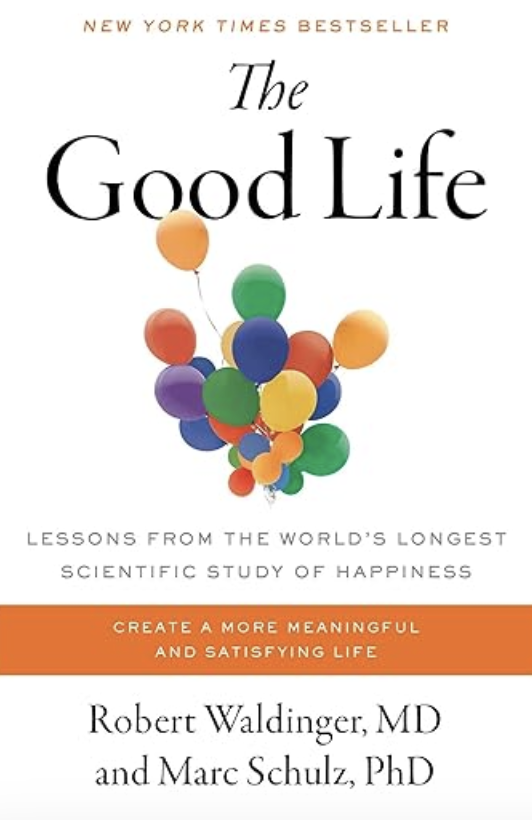
by Robert Waldinger and Marc Schulz

Who doesn’t want to live the good life once you retire?  But what constitutes the good life?

The Good Life: Lessons from the World’s Longest Scientific Study of Happiness by Robert Waldinger and Marc Schulz, a New York Times bestseller, offers readers valuable insights into the the levers of happiness and fulfillment uncovered in the longest-running study on adult development – The Grant Study. Leveraging decades of research conducted by the Harvard Study of Adult Development, the authors outline a compelling case that the keys to a fulfilling life lie not in wealth, fame, or possessions, but in the quality of our relationships and our ability to cultivate meaningful connections with others. You may be building the investment portfolio you need to retire, but there’s a social portfolio that will help you thrive.

The core message of the book is that meaningful relationships are the foundation. The Harvard Study of Adult Development, which tracked the lives of two groups of men over a span of 75 years, revealed that those who reported having close, supportive relationships were not only happier and healthier, but also lived longer than those who did not. Social connectivity has a major influence on our physical and mental well-being. Research highlights that loneliness and social isolation are significant risk factors for a range of poor health outcomes, including cardiovascular disease, depression, and even early death.

In The Good Life, Waldinger and Schulz urge people to prioritize cultivating authentic connections over superficial, more trivial pursuits. Investing time and energy in nurturing relationships will bring joy, fulfillment, and a sense of belonging to your life in retirement. But in addition to the criticality of relationships, the book explores how personal growth and self-awareness contribute to building a fulfilling life. Adopting practices like mindfulness, gratitude, and self-reflection, can help create a deeper understanding of yourself and others. It’s not about how many Facebook friends you accumulate, it’s about building real-world genuine relationships. And that takes openness, honesty and vulnerability. While that takes risk and a willingness to step out of your comfort zone at times, The Good Life argues that they are risks well taking to create a rich life.

While the primary research cohort was men, this is a thought-provoking book that sheds light on important elements in life in retirement. You’ll come away with an appreciation of both the upsides and downside risks of several lifestyle choices that lie ahead and a series of proactive action steps to consider.

Read The Good Life: Lessons from the World’s Longest Scientific Study of Happiness

Listen to my conversation with Marc Schulz

More Best Books on Retirement

___________________________

Podcast Conversations You May Like

How to Make New Friends in Retirement – Dr. Marisa G. Franco

The Balancing Act in Retirement – Stew Friedman
The Mindful Body – Ellen Langer


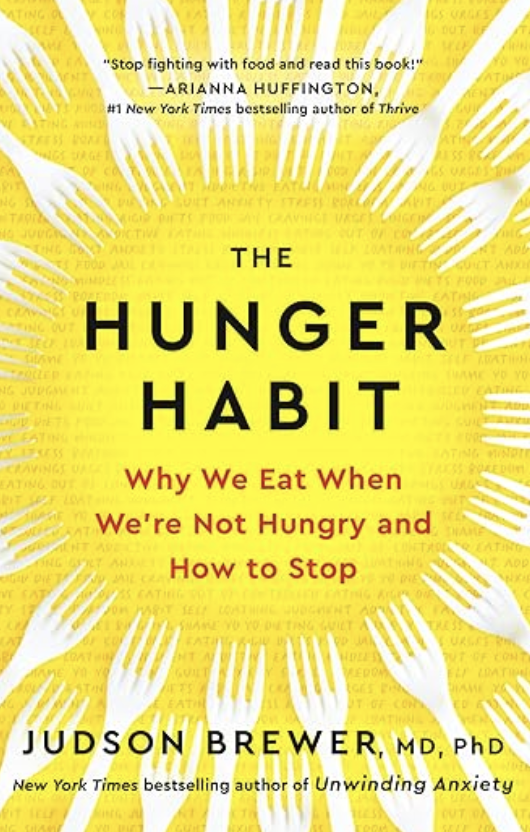
by Jud Brewer, MD, PhD

It’s no secret that relationships are one of the key elements of a satisfying retirement. But one of your longest running relationships may need a reset – your relationship with food. Getting ready for retirement, and the lifestyle changes that come with that transition, offers a catalyst to build new habits for the life you envision. You’ll have more freedom and more time, so you’ll want to be mindful and intentional about food. It’s an area of life we can take control of and enhance our well-being.

In his new book The Hunger Habit, Dr. Jud Brewer, a renowned psychiatrist and neuroscientist, provides a groundbreaking approach to understanding and revamping eating patterns. He leverages his extensive research and clinical background to unlock how our brains work with food and and how to redesign our habits and relationship with food.

The heart of the book is the practice of “mindful eating,” with a foundation in mindfulness meditation and behavioral psychology. Unlike traditional dieting, this approach doesn’t  rely on willpower, which is fickle and unreliable. Instead Dr. Brewer anchors his approach in the underlying psychological workings and thinking that tends to drive cravings and mindless overeating. He takes you back to Psych 101 class to revisit the principles of positive and negative reinforcement and how you can hack and rewire your reward systems to take advantage of intrinsic motivation over external cues. In addition to the compelling science and practical steps that book provides, Dr, Jud shares his own personal experiences and challenges with cravings (a gummy worms addiction), which make the book very relatable.

I especially found his emphasis and on self-compassion and self-acceptance to be very interesting and useful in reframing setbacks through curiosity and kindness. In his view, perfection is not the goal, but the journey includes valuable  opportunities for reflection and learning throughout.

The book is structured as a 21-day challenge that starts small and educates you along the way. There’s a well-designed robust companion app for additional resources and support.

It’s a valuable roadmap to kickstarting your new life ahead.  The Hunger Habit offers insights that will lead you to think differently about food choices and powerful science-based tools to create sustainable change.

___________________________

Listen to my podcast conversation with Dr. Jud Brewer

Buy The Hunger Habit book by Dr. Jud Brewer

___________________________

Related Podcast Conversations You May Like

Self-Compassion – Dr. Kristin Neff

The Mindful Body – Ellen Langer

Tiny Habits Can Lead to Big Changes – BJ Fogg

From Wellness to Wonderful – Dr. Alona Pulde & Dr. Matthew Lederman

___________________________

More Best Books on Retirement