A smart move for your retirement planning? Add some art.
Think you’re not creative? Think again. You’ll be glad you did.
Engaging with art, both by appreciating it and even more so by creating it, offers compeliing benefits for older adults.
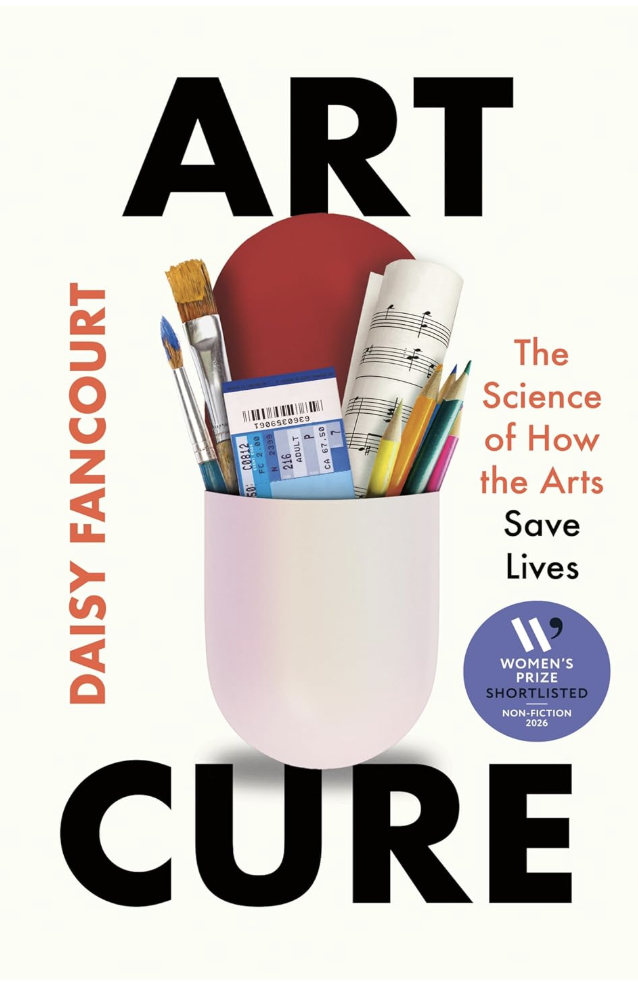
In Art Cure: The Science of How the Arts Transform Our Health, top researcher Daisy Fancourt, Professor of Psychobiology and Epidemiology at University College London and Director of the WHO Collaborating Centre on Arts and Health, argues that the arts are the forgotten fifth pillar of health, alongside diet, sleep, exercise, and nature. If the arts were a pill, she contends, we would take one every single day. Drawing on decades of research using neuroimaging, molecular biomarkers, wearable sensors, and electronic health records, she makes a clinical case: arts engagement measurably decreases depression, stress, and pain, and improves the functioning of every major organ system.
The book’s implications for retirement are striking. Adults over 50 who regularly attend museums, concerts, galleries, and theater are physiologically about four years younger than peers who never engage. Her work on the English Longitudinal Study of Ageing shows cultural engagement predicts sustained memory and cognitive function over a decade. Adults who never engage in the arts are 1.3 times more likely to be frail by age 80. Creative hobbies build cognitive reserve that helps the brain stay resilient against dementia. Arts engagement also protects against loneliness, supports identity reconstruction after career, and offers what Fancourt calls control, coherence, mastery, and purpose—exactly the ingredients people lose when work ends.
The core message from our podcast conversation about her new book Art Cure:The Science of How the Arts Save Lives, is the one most worth carrying into retirement planning: this is about engagement, not talent. Fancourt opens Art Cure with Russell, a working-class man who had no arts exposure growing up and only found painting after a stroke in later life. He wasn’t gifted. He simply showed up. The benefits accrue whether you sing in a community choir, take a beginners’ salsa class, join a book group, visit a gallery once a month, or pick up a paintbrush for the first time at 68. You don’t have to be good. You have to participate.
For retirees, Art Cure reframes creative pursuits from an optional hobby to an evidence-based health intervention, and lowers the barrier to entry to its most useful level: just start.
_______________________________
Art Cure:The Science of How the Arts Save Lives.
Listen to my podcast conversation with Daisy Fancourt on her book Art Cure
More Best Books for Retirement
Listen to The Retirement Wisdom Podcast – and subscribe: Spotify | iHeartRadio | TuneIn | RSS | More